
Tag Archives: Radon Testing

Radon: Environmental Carcinogen

Radon as an Environmental Carcinogen in Iowa

Carcinogens are defined as any substance that is directly related to causing cancer. There are a number of different types of carcinogens that work on the body in various ways to cause cancer. Many of these substances are radioactive, but a carcinogen does not have to be radioactive to cause cancer. Most people think of carcinogens as man-made materials and chemicals, but certain carcinogens exist naturally. In order to best protect yourself from the risk of developing cancer, it is important to be aware of the most common carcinogens in your area, and to take the necessary steps to avoid them. If you live in Iowa, one of the carcinogens that you need to be concerned about is radon.

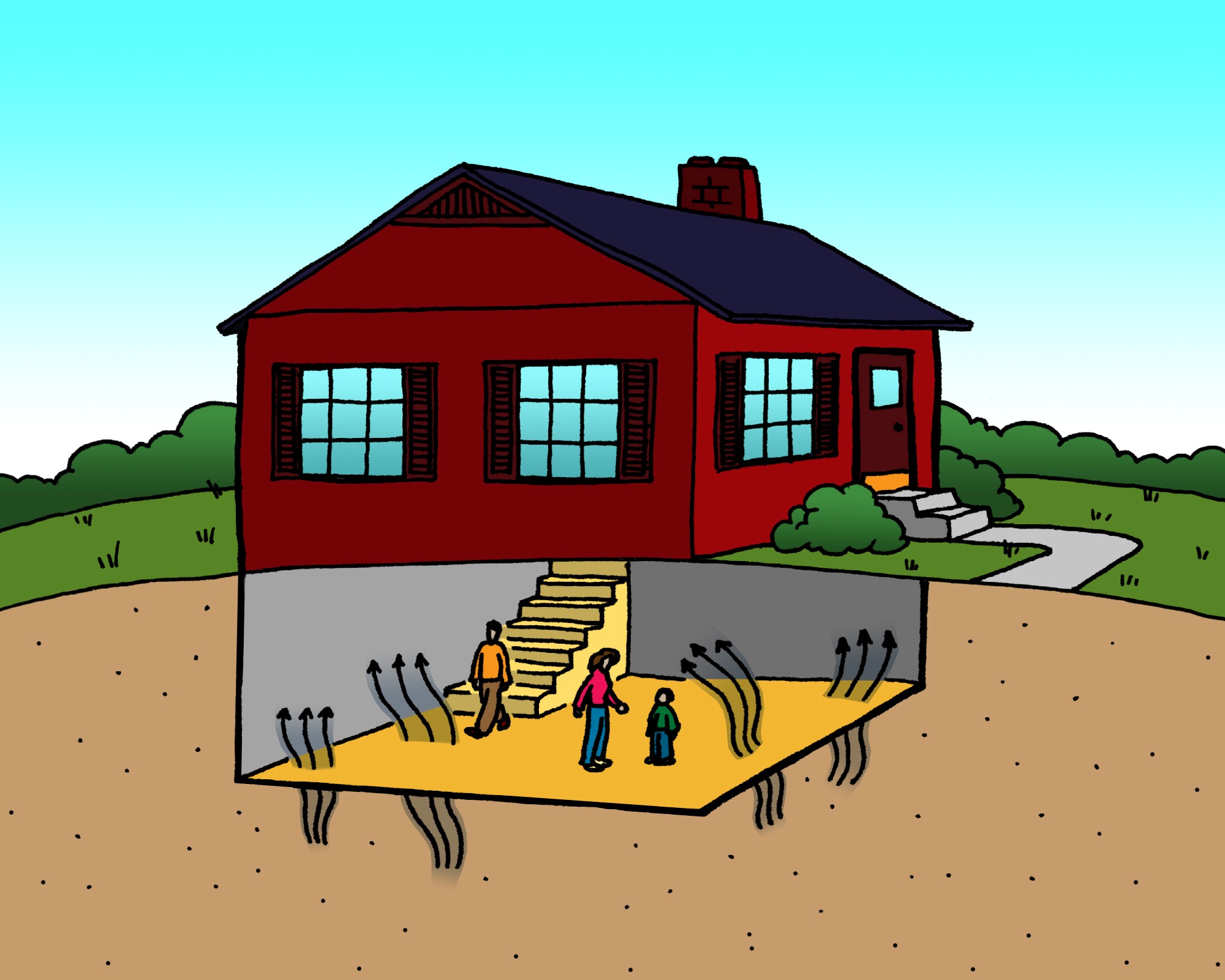
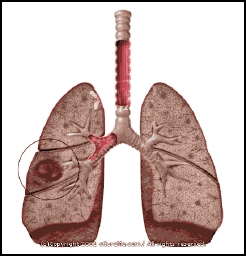
Radon is a radioactive gas, a carcinogen, that occurs naturally as part of the decaying process of uranium. Most often, radon is produced by decaying uranium in the soil, where it seeps up into the air and enters your home. If you breathe too much of this gas over time, it can increase your chances of developing lung cancer.
Environmental Carcinogen Radon in Your Iowa HomeThe properties of radon make it very difficult to detect:

  • Colorless
  • Odorless
  • Tasteless
  • Very Dense
  • Chemically Unreactive

These characteristics make radon undetectable by the human senses. The best way to check for a radon problem in your home is to invest in radon testing and mitigation services from a professional mitigation company. The team at Ameriserv Radon Mitigation of Iowa can help you ensure that the radon levels in your home are not at an unsafe level.

Testing for Radon in Your Iowa Home

It is important to the health of you and your family that you test your home for radon and invest in mitigation services to reduce the radon levels if they are too high. In the United States, radon is the second leading cause of lung cancer behind only tobacco. In the state of Iowa alone, lung cancer caused by radon exposure kills over 400 people every year: five out of every seven homes in the state have elevated radon levels. So how do you protect yourself from this invisible, undetectable carcinogen?
Testing for the Carcinogen Radon in Iowa Homes from Ameriserv

The best way to ensure you and your family are not exposed to radon is to have your home tested for radon. Radon Testing in Iowa can determine the level of radon in your home and help you decide whether or not you need to investigate mitigation methods to get rid of the gas. Here at Ameriserv, we offer a couple of different testing options – short-term tests, long-term tests, and even DIY radon-testing kits. If your home has a radon level of higher than 4.0 pCi/L, it is time to get professional help.

Contact the radon mitigation and testing team at Ameriserv Radon Mitigation as soon as possible. We are committed to keeping Iowans safe from this harmful environmental carcinogen.
Radon Test Kits – How They Work in Your Iowa Home

Radon Test Kits for Your Iowa Home

Here at Ameriserv Mitigation, we offer both long term and short term radon testing for your Iowa home. However, if you are not willing to spend the money on professional testing unless it is completely necessary, we do have another option – DIY radon testing kits. These kits are available for purchase from Ameriserv for fifteen dollars. Though they are a good starting point, DIY radon test kits are not completely accurate, and if a high level of radon is detected with the test kit, it is advised that a professional take a look at your home.

Radon testing kits are normally a much more affordable and relatively simple option when compared with professional short term or long term radon testing. To use a radon testing kits, there are a couple of essential steps:

  1. First, ensure that all the windows in your home are shut, and that all the doors are closed. This will help to produce the most accurate results possible.
  2. Next, place the detector in an area where it will not be disturbed for the duration of the test, which usually takes from 48-96 hours.
  3. Make sure that you follow the directions that come with the kit to get an accurate reading.
  4. You will most likely have to send the detector to a lab to find out the results of your do-it-yourself in home radon test.

Once the results are in, you can determine whether or not you need to take any further action. Normally, a radon level above 4 pCi/L is considered to be unsafe. If the radon kit detects a level close to or over 4 pCi/L in your home, you may want to contact a professional to do further testing and determine whether or not you should install a radon mitigation system in your Iowa home.

Benefits of Radon Kits in Iowa

Radon Test Kits in Your Iowa Home from AmeriservThere are a couple of benefits to using radon kits such as the kind from Ameriserv to shcek the radon levels in your home. First, DIY radon kits are much cheaper than professional tests, meaning that you can get an idea of radon levels in your home without spending more money than you need to. Another benefit is that DIY kits generally take a lot less time than even short term professional tests. This means less hassle for you and your family. Using a DIY radon kit in your Iowa home is a great way to help you make sure that radon does not cause you any problems.

Although DIY radon kits are a good way to start learning about the radon risks in your home, they are not as conclusive as professional tests. That is why it is important to follow up your DIY test with a professional test and mitigation services if high levels of radon are observed. Radon test kits from Ameriserv should only be used for personal tests, not for real estate transactions – If you are selling your home, have a professional radon test done. Contact us today for more information.


What to Do When You Suspect You Have Been Exposed to Radon?

Radon Exposure in Iowa

Radon Exposure and Health Risks in IowaElevated levels of radon in your home could be a major health concern for you and your family. Five out of every seven homes in Iowa have elevated levels of radon in them. Every year, about 400 Iowans die due to radon exposure, which is the number two cause of lung cancer. This is why it is so important to make sure that your home is free of radon. Ameriserv can help you with all of the tests and precautions to prevent radon from causing health issues for you and your family.

We offer several different options for radon testing as well as radon
mitigation. Our professionals can administer short-term and long-term tests to check the radon levels in your home. We also offer a $15 dollar at home radon detector kit so that you can begin the radon testing process on your own.

By what should you do if you think you may have been exposed to radon? The first step to take if you suspect radon exposure is to look for the common symptoms that are associated with prolonged exposure to high levels of radon. These symptoms include:

  • Lung Infections
  • Persistent cough
  • Wheezing
  • Heavy breathing

These are a few of the common signs that you may have been exposed to radon. If you are experiencing any of these signs, it is important to seek help immediately in order to prevent any further health problems. Mor information on the health risks of radon can be found on the EPA Radon Guide webpage.

What to Do to Prevent Radon Exposure in Your Iowa Home

Most major health problems associated with radon take several years to develop. That is why it is vital to take care of any radon problems in
your home right away to prevent prolonged exposure.

Radon Mitigation in Iowa to Prevent Health ProblemsThis can be done by first administering radon tests in your home. If you think you have already been exposed to radon, it may be wise to try a short-term radon test. This can give you an idea of the radon levels in your home. If the test results show a high radon level, contact a professional for further testing, or to have a radon mitigation system installed.

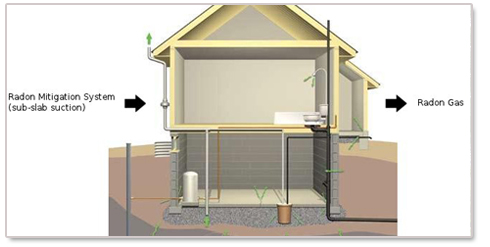
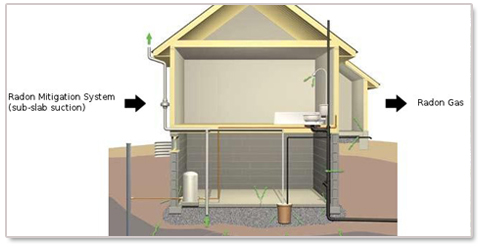
Ameriserv can install a radon mitigation system to effectively reduce the amount of radon in your home. To install this system, we drill a hole in your foundation to create a suction point. Next, attach PVC pipe to the hole to act as a vent for the gas. A fan is then used to make sure that the air flow is properly directed. With this system running continuously, radon will be able to exit your home, reducing the health risks for you and your family.

Contact the experts at Ameriserv for more information on what to do if you suspect a radon issue in your home, and check out the EPA Radon Guide for even more information. We offer quality testing and
mitigation services to those in the Cedar Rapids, Iowa area.

Radon Detector vs. Professional Radon Testing – Which is Right for Your Iowa Home?

Radon Detectors and Testing Services in Iowa

If you are concerned about radon levels in your home, the best thing you can do is invest in some sort of radon test to determine whether or not your home actually contains elevated radon levels. There are a variety of ways that this can be done – home radon testing kits and detectors, short-term professional tests, and long-term professional tests. The hard part is deciding which radon testing method to use in your home. That is why Ameriserv offers the necessary information and wide variety of solutions to help you choose the best option for your Iowa home.

Some of the different options that you can choose from to test the radon levels in your home include:

  • DIY Radon Kits and Detectors: Home radon tests can give you an idea of the radon levels in your home. These tests are usually left in your home somewhere undisturbed for 48 – 96 hours. To use these tests, you must close all of the doors and windows in the area. Most of the tests also require that you send them in to a lab in order to get the results. Here at Ameriserv, we offer a $15 at home radon testing kit. Contact us for more information on this and our other radon testing services.
  • Short-term testing: This kind of test takes around 2-7 days (some can take up to 90 days), and is used to measure average radon levels in your home over a short time period. Short-term testing methods include charcoal canisters, electret ion chambers, continuous monitors, and liquid scintillation detectors.
  • Long-term testing: This testing method, which usually takes over 90 days, is used to track average radon levels in your home year round. Long-term testing can be done of a high radon level was found with another testing method, or to find more accurate results. Testing methods include electret monitors and alpha track detectors.

These are some of the common methods used to test for radon in Iowa homes. If you are looking to sell your home, you should consider investing in at least short-term radon testing, to ensure there are no dangerous levels of radon in your home. If there have been high levels of radon in your home before, you may want to consider a long-term radon test to see how severe this issue is. If you are just trying to ensure the safety of your family and want to be sure there is not a high amount of radon in the air, a DIY radon detector may be the way to go for you.

Average Outside Air Level of Radon pCi/L. in Iowa

Radon Testing and Detector Solutions in Iowa by AmeriservRadon is a dangerous, colorless, and odorless gas that can cause several health problems for you and your family. Though no level of radon is considered completely safe, it is common for outside air levels to be around 0.2 pCi/L. This is a relatively small number when compared with indoor radon levels, which are commonly somewhere around 1-2 pCi/L.

If there is a radon level of over 4 pCi/L in your home, it means that the radon levels in your home are dangerously elevated. Have your home tested immediately to determine whether or not there is a radon issue there.

Ameriserv offers quality radon testing, detectors, and mitigation services for your home. Contact us today to see how we can help you get rid of the radon in your Iowa home.

Can Cold Weather Increase your Radon Risk?

Winter is coming, and that means lots of cold weather. The season of snow and ice may actually cause your Iowa home, business, or school to have higher radon risks than it may have had in the warmer months.

Don’t know what radon is or why it is dangerous? Well, here is a quick summary of radon and why it is dangerous to your health. Radon is a colorless, odorless, tasteless gas that is naturally occurring. It can only be detected by a radon test. It is radioactive and can attach itself to many surfaces, including dust particles. These dust particles can be easily inhaled and may, in some cases, cause lung cancer, along with a variety of other breathing problems. Some signs that you have been exposed to radon include:Radon Testing Lake City IA, Radon Mitigation Lake City Iowa

  • Persistent cough
  • Wheezing
  • Heavy breathing
  • Lung infections

Unfortunately, radon may not take effect in you until years or even decades after you have been exposed, which means that even if you have these symptoms, it does not mean that your current home, business, or school has high levels of radon. You could have been affected years ago without knowing it. This makes radon gas that much harder to detect.

Iowa is known for its high levels of radon risks. A long time ago there were glaciers that covered Iowa which melted leaving behind rocks that contained uranium. When these rocks broke down and decayed over time they released the radon gas. These gases are now affecting your Iowa homes, businesses, and schools. If not taken care of, it could seriously harm you and your family, customers, or students and staff. Ameriserv can help you detect radon with radon tests.

Radon Testing and Mitigation in Iowa by Ameriserv

Interestingly enough, cold winter weather may actually aggravate the radon levels in your Iowa home, business, or school. Because the air outside is colder than the air inside your home, business, or school, radon levels may become higher. The temperature difference is what causes the higher levels of radon. Luckily, Ameriserv can help you. Especially during the winter months, it is smart to get regular radon tests for your home, business, or school. Do not let the higher radon risks take advantage of you. If high levels of radon are found, we here at Ameriserv can provide you with radon mitigation services.

We can help you choose which system of radon mitigation is right for your specific structure and situation. Contact Ameriserv today to learn more about radon testing in Iowa, radon risks, radon mitigation, or our service area. We want to help you feel safe in your home, so make sure to get regular radon tests. You can not ignore radon. Just because it is colorless, odorless, and tasteless does not mean that it is not there. Contact us today!

Radon Testing: Kit or Professional?

Best Options for Radon Testing in Iowa

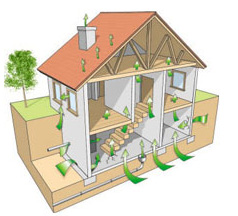
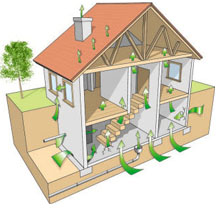
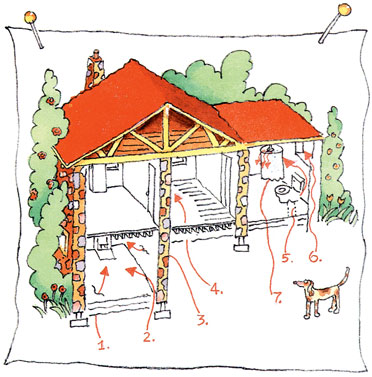
Radon levels in Iowa are dangerously high: research has found that five out of seven homes in Iowa contain an elevated level of radon. This naturally produced gas comes from the decay of uranium and radium in many different kinds of rocks. These rocks are located all over the state, making it common for radon to seep radon into the soil around your home. If the radon in this soil is allowed to enter your home through foundation cracks; exposed soil in the crawlspace; gaps and spaces between the walls, floor, doors, and windows; or through well water, it could pose a significant threat to the health of you and your family. Second only to smoking, radon is one of the most common causes of lung cancer. Do not take any chances. Have your home tested for radon immediately.

Solutions for Radon Exposure in Iowa Homes by Ameriserv

There are a couple of different ways to determine whether the levels of radon in your home are dangerously high. Radon levels above 4 pCi/L are considered dangerous, and steps should be taken to reduce radon if such a high concentration is found in your home. The best options for testing radon levels in your Iowa home are:

  • Home Radon Testing Kits: These DIY radon test kits are an easy and inexpensive option that can be used if you want to see if radon is a problem in your home. The kits usually cost around $9 –  $40. To use these kits, you need to ensure that all windows and doors are closed, and put the detector somewhere in your home where it can remain without disturbance for 48 to 96 hours. After following the directions with the kit, you will most likely have to send the detector to a lab an await results.
  • Professional Short-Term Testing: Professional testing is a good option if you want more reliable results, or if you are going to be selling your home. This test usually takes around 2-7 days, but could remain in your home up to 90 days. Short-term tests use one of many radon detecting devices to monitor radon levels over a short period of time, giving you an idea of the average radon levels in your home. It is best to use a variety of testing methods to be sure about the results.
  • Professional Long-Term Testing: Long-term testing methods use devices that stay in your home for over 90 days. Long-term tests are able to more accurately show you the average, year-round radon levels in your home. If you used a DIY radon kit, or had a short-term test done in your home and found elevated radon levels, consider following up with a long-term test.

While DIY radon kits can give you a good idea of the radon levels in your home, it is recommended to follow up and positive DIY tests with a professional radon test. Short-term test that show elevated radon levels should be followed by either a long-term test or another short-term test; if radon levels in your home are indicated to be significantly higher than the 4 pCi/L, have another short-term test done immediately to determine the best solution as soon as possible. If you are in the process of selling your home, it is especially important to have professional radon tests done, as the benefits of radon testing may help improve the appeal of your home.

What to do if Radon Exposure is High in Your Iowa Home

If the DIY tests show a high concentration of radon in your home, you should have a professional radon mitigation specialist visit the home right way. The team at Ameriserv is dedicated to removing dangerous radon from your home to ensure the safety of you and your family. We will help determine where the radon is entering the home and install a radon mitigation system that is customized to your home. Common radon mitigation techniques involve drilling a hole in the slab for radon to escape the home, and using fans and PVC ventilation systems to collect radon in the air and channel it out and away from the home.

Contact Ameriserv for more information today. We are happy to provide the residents of Iowa with our professional radon mitigation and testing services.

Can Energy Efficiency Mean a Higher Chance of Radon in Your Iowa Home?

Making your Iowa Home Energy Efficient Could Pose Radon Health Risks

Solutions for High Radon Levels in Energy Efficient Iowa Homes by AmeriservIn today’s world, homeowners seek to save as much money as possible while keeping their homes environmentally friendly. Reducing ventilation is one common way that this is done in homes. By sealing the home securely and ensuring that there are no gaps or cracks in the walls, the homeowners will significantly reduce the workload for the heating and cooling systems in the home. Not only does this lower the cost of the homeowner’s energy bills, but it is also a very “green” solution, since the less work the heater and air conditioner have to do, the less overall resources will be necessary to keep the home comfortable for the family.

There is, however, a drawback to having a home with little to no ventilation; the lack of ventilation in a home could lead to an increase in pollutants that enter the home from the soil beneath. One of the more common of these pollutants is radon, a colorless, odorless gas that is responsible for thousands of lung cancer related deaths throughout the country. Radon is the second leading cause of lung cancer, the first being smoking. If you or a family member is exposed to a elevated amounts of radon., the results could be tragic.

There are many different ways that radon can enter your home:

  • Leakage: If your home has cracks in the foundation, gaps in walls or floors, or loose fitting pipe joints, radon could leak into the home through these spaces.
  • Exposed Soil: Because radon seeps into the home from the soil underneath, it is vital to make sure that there is no exposed soil in your home’s crawlspace or around the sump pump.
  • Water Supply: If you have well water in your home, you may be at risk of radon exposure, as the water may carry radon from the ground into your home.

One way to reduce radon in your home is to use ventilation systems to give the radon a way to escape. Without this, the radon could remain trapped in your home, building up a higher and higher concentration. This is why it is important to make sure that your home is equipped with a proper radon mitigation system.

How to Reduce Radon in You Energy Efficient Home

Investing in a radon mitigation system from Ameriserv radon could greatly reduce the dangers that energy efficient homes often produce. If you are afraid that your home contains high radon levels, do not hesitate to get in touch with a professional right away. There a just a few simple steps that you need to take to keep your home safe from the dangers of radon:

  • Contact a professional radon mitigation expert
  • Have your home tested for radon levels
  • Invest in a radon mitigation system to remove radon
  • Take preventative measures to keep radon out in the future

We can take care of the radon in your home in no time. There are a couple different types of radon testing that can be done to determine whether or not your home contains a high level of radon. The first testing method, short term testing, involves using charcoal canisters, electret ion chambers, continuous monitors, and liquid scintillation to determine the radon levels in your home. These test are normally completed in around 2-7 days. Long term tests can take 90 days or more, and use electret detectors or alpha track detectors to monitor the average radon levels in your home.

Once testing is completed, we can use radon mitigation techniques such as suction points in the slab, PVC ventilation systems, and fans to reduce the buildup of radon in your home. If you live in Iowa and are in search of a solution for the radon in your home, contact us as soon as possible.

Radon Basics in Iowa

The Basic Facts About Radon

Radon is a colorless and odorless gas that forms from the decay of uranium in rocks and
Radon mitigation in Iowa by AmerServ Radon Mitigationfilling the soil with radon. The entire state of Iowa is in the red zone for radon, meaning that every county in Iowa has the potential for higher than normal level of radon.

Radon can damage lung tissue, which increases the risk of lung cancer. It is estimated that there are 20,000 lung cancer death per year in the United States caused by radon. Radon can enter your home in many ways. Some of these are:

  • Cracks in the walls
  • Cracks in the floor
  • Gaps around pipes
  • Construction joints
  • Cavities inside the walls

Radon coming up through the soil and into your home, will build up and be trapped. The effects of radon can go completely unnoticed for years after exposure. Some of the symptoms that you may have from high levels of radon are:

  • Wheezing
  • Persistent cough
  • Heavy breathing
  • Lung infections

Even if you don’t have any of these symptoms, doesn’t mean that you aren’t being harmed by high level of radon. A radon level of 4 picocuries per liter (pCi/L) or higher is cause for concern. Even a level of 4 pCi/L can pose a risk. It is important to have a professional come and test your home for radon. The experts at AmeriServ Radon Mitigation has the equipment and expertise to come and test your home and offer radon mitigation to get this harmful gas out of your home.

Solutions for High Radon Levels in Your Iowa Home

AmeriServ Radon Mitigation can come and test your home through either short-term testing or long-term testing. S

Short term testing is done using several different methods:

  • Charcoal canisters – these canisters containers activate charcoal. Radon is absorbed into the charcoal and then is measured
  • Electret ion chamber – this method is used to measure radon in water
  • Continuous monitors – this monitors hour by hour measurement of radon
  • Liquid scintillation detectors – this method is similar to charcoal measurement except the analysis is accomplished by treating the charcoal with scintillation fluid and then analyzing the fluid using scintillation counter.

Short term testing is usually completed in 2 to 3 days.

Long term testing will last for 90 days or more. Radon can fluctuate through the year due to weather conditions, operation of furnaces and fireplaces and the opening and closing of windows and doors. Long term testing gives a more accurate reading to tell you your home’s year-round average radon level. Long term testing is done one of two ways:

  • Alpha track
  • Electret detectors

If the testing shows that your home is high in radon, AmeriServe Radon Mitigation will install a radon mitigation system. This system is done by drilling a hole in your foundation which creates a suction point. Then a PVC pipe is connected through this hole to use as a vent for the radon gas. A fan is then connected to the pipe to ensure that the air flow is in the right direction. This system will direct the radon from your home to the outside.

Don’t let radon become a health issue to you and your family. Let the professionals at AmeriServ Radon Mitigation test your Iowa home and offer you the solution you need to get this harmful gas out of your home. Contact us today!

Are we SURE that Radon is a Health Risk in Iowa?

 How do we know that Radon poses a health risk?

Homeowners are constantly warned of the dangers that come from elevated radon levels in the home. Five out of seven homes in Iowa contain high levels of the colorless, odorless, and tasteless gas. It is the number two cause of lung cancer in the United States, and causes 4oo deaths in Iowa alone each year. But many people ask if there is concrete evidence that radon is actually so detrimental to our health. How can we be sure that there is a real health risk attached to the high levels of radon in many homes?

Radon Health Problems and Solutions in Iowa from Ameriserv Radon MitigationThe US Environmental Protection Agency (EPA) already has plenty of scientific evidence that radon exposure is often linked to lung cancer. This connection was first realized when scientists noticed that the underground uranium miners who were exposed to radon died of lung cancer at a higher rate than others. These studies were confirmed by animal studies, which showed higher rates of lung tumors in the rodents that were exposed to radon. Although there is much dispute among some scientists that the estimated radon-related lung cancer deaths are actually lower than commonly believed, several health organizations, such as the CDC (Center for Disease Control), American Lung Association, the Surgeon General, the American Medical Association, and several others agree that we know enough about the health risks to recommend radon testing and mitigation.

If you find radon levels in your home above 4 pCi/L, consider investing in radon mitigation from Ameriserv. The National Academy of Science’s Biological Effects of Ionizing Radiation (BEIR VI) Report reinforced that radon is the second-leading cause o lung cancer in the country. This presents radon levels as a serious health issue that should not be ignored.

What to do When You Find Radon

If you find that your home contains elevated levels of radon, it is important to have it fixed as soon as possible. There are a few steps that you can take to take care of the radon problem in your home:

  • Contact a professional: If you suspect that your home has a radon problem, or if you just want to be sure that you and your family are safe, contact a professional radon expert today.
  • Have your home tested: Have the professional team at Amerisev perform radon testing in your home to determine whether or not you are in need of mitigation services. Radon levels of over 4 pCi/L lead to serious health issues.
  • Invest in radon mitigation: We can install a radon mitigation system to remove radon from your home and prevent future radon issues. In most cases, radon levels can be reduced to lower than 2 pCi/L to reduce your risk of lung cancer and keep you and your family healthy and safe.

The radon mitigation experts at Ameriserv can help you get rid of the radon problem in your home. Whether you are trying to sell your home, or just want to make sure it is safe for you and your family, we are your number one choice for radon mitigation in Iowa. Contact us today for more information.

The Myths About Radon

Fact and Fiction about Radon for Iowa Homeowners

radon into homeAlthough most homeowners know that radon is a serious issue, many people are not sure what to believe about the gas. There are several myths surrounding radon that can cause people to overlook radon issues, and pay little attention to the importance of radon testing and mitigation. It vital that you understand the dangers of radon and how to prevent it from causing health issues for you and your family. Ameriserv is dedicated to protecting you and your family from harmful radon. That is why we have put together a list of myths and the corresponding facts about radon:

  • Myth: Scientists are not sure radon is a real issue.
    Fact: Some scientists argue that the estimated number of deaths due to radon is much lower than commonly expressed. However, major health organizations such as the Center for Disease Control and Prevention, and the American Lung Association agree that radon is the cause of thousands of preventable lung cancer deaths each year, especially among smokers.
  • Myth: Radon testing is costly, time consuming, and difficult.
    Fact: 
    Radon testing is actually very easy, and can take as little time as two days. Contact the radon testing professionals at Ameriserv to find out more.
  • Myth: Homes with radon cannot be fixed.
    Fact: There are actually several simple, relatively inexpensive solutions to take care of radon levels in your home. Ameriser offers quality mitigation services for homeowners in Iowa.
  • Myth: Radon only affects certain types of homes.
    Fact: Radon can affect any type of home, from old to new, from drafty to well insulated. It is true, however, that some kinds of construction materials and local geology can have an effect on the radon levels in the home.
  • Myth: Radon is only a problem in certain areas of the country.
    Fact: Although radon problems vary from place to place, elevated levels have been found in every state.
  • Myth: The test results of a neighbor are an indicator that your home has a radon problem.
    Fact: Radon levels are different in every home, and the only way to know for sure whether your home has a problem is to have it professionally tested.
  • Myth: Water supplies should always be tested for radon.
    Fact: Radon can contaminate the air in your home through your water supply, but it is much more common for elevated radon levels to be caused by radon in the air alone. Have the air in your home tested first, and if the high radon levels still have no apparent cause, test the water, or contact your water supplier, if your water comes from a public source.
  • Myth: It is difficult to sell homes once radon has been discovered in them.
    Fact: Once the radon problem in the home has been fixed, it is not more difficult than normal to sell the home. In fact, the added preventative and protective systems are often a great selling point.
  • Myth: I’ve already lived in my home so long, it’s not worth it to take action now.
    Fact: Whether or not you have lived with the issue for a long time, taking care of the radon problem in your home will still reduce your risk for lung cancer.
  • Myth: Short-term tests cannot be used to determine whether or not to invest in radon mitigation.
    Fact: A short-term test followed by another short-term tests are often used to decide whether or not your home is in need of mitigation. Contact a professional for more information.

If you live in Iowa, and are in need of answers for the radon problem in your home, contact Ameriserv today. We offer testing and mitigation to remove radon from your home. Contact us today for a quality radon solution.